Autism and Puberty: Do Sensory Challenges Make It Harder?

Puberty can be daunting for any young person. Puberty wafts into a teen’s or pre-teen’s life with physical changes, as well as changes that are unseen, such as increased cortisol levels that often lead to shifts in emotions and struggles with behavior regulation. An adolescent can switch from having a happy and low-stress day to crying within minutes. These changes can be even more difficult for autistic young people who typically deal with sensory challenges.
Autism and Parent Empowerment with RDI® – Part II

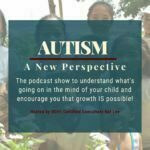
The title art for the RDIconnect podcast "Autism: A New Perspective." The subtitle reads "The podcast show to understand what's going on in the mind of your child and encourage you that growth IS possible! Hosted by RDI Certified Consultant Kat Lee."
Autism: A New Perspective
Autism and Parent Empowerment with RDI® - Part II
Loading
/

In part two of ‘Autism and Parent Empowerment with RDI®,’ Lisa and Kat talk about each of the ‘Three E’s of Empowerment’ and why they’re important, as well as their own personal experiences as RDI® parents and how RDI® empowered them to take control of their children’s growth, learning and futures.

Autism, Eating and Food – Why Are There So Many Issues?

An autistic individual can experience eating or food challenges at any age, but studies indicate that even though eating difficulties can and do carry over into adulthood, they typically improve. A compilation of studies published by Science Direct, authored by Susan D. Mayes, Ph.D., and Hana Zickgraf, Ph.D., report that atypical eating behaviors are significantly more common in autism (70.4%) compared to children with other disorders (13.1%), and neurotypical children (4.8%).

The Harm in Infantilizing Autism

Providing support for our autistic teen or adult is a necessary part of being a parent, and this is often one of our top concerns. But as we do so, we can unknowingly fall into a default mechanism that infantilizes the individual and treats them as if they are not capable of being their own person. We typically do this with the underlying belief that we are giving the best support, and that we have our teen or adult’s best interests in mind, however, infantilizing them is unnecessary, and innately dangerous.

Autism and Higher Education

How can RDI® provide real-world support for your child, teen, or young adult to prepare them for higher education, or a real-world job? In Dr. Steven Gutstein’s words, “Dynamic Intelligence is the mental ability that enables humans to successfully navigate the world and our relationships….and we have developed many resources to meet the mental challenges encountered in dynamic environments.”

What does RDI® look like at home?
Get the free Parent Guide to Everyday RDI® Moments and learn how ordinary routines can become opportunities for connection, communication, and growth.